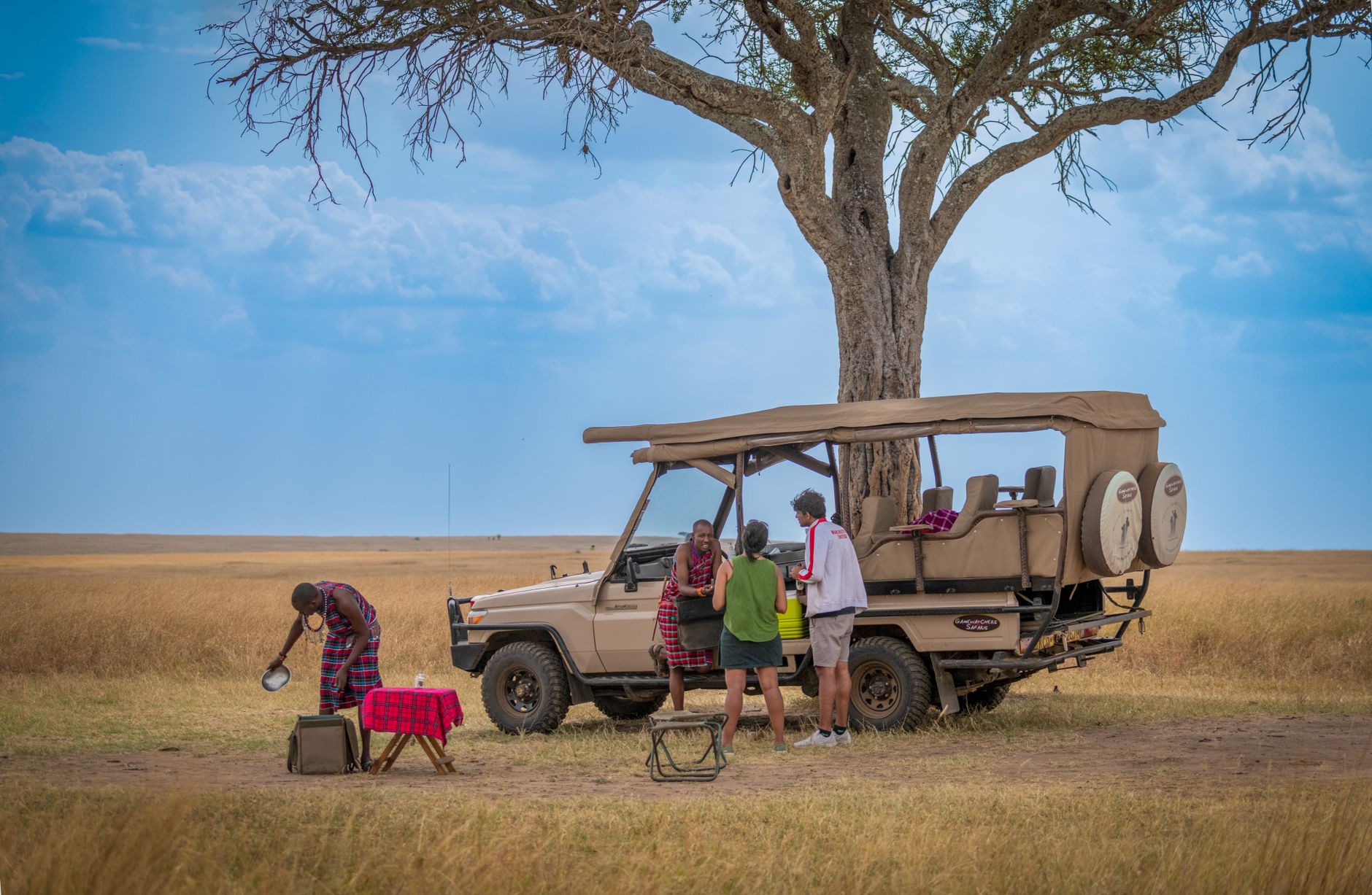
Sharing a vehicle is one practical way to lower the price of a family safari in Kenya, but it comes with real trade-offs. This guide to kenya safari family vehicle sharing helps you decide whether a joining safari fits your children’s ages, your budget, and how you like to watch wildlife.
What Does Kenya Safari Family Vehicle Sharing Mean?
Sharing a safari vehicle, often called a joining safari, means your family buys seats in a Land Cruiser or minivan with travelers booked by the same operator or route. The group shares the driver-guide, fuel, game drives, and daily schedule, rather than booking the entire vehicle for your own party.
In Kenya, you will usually share with travelers from different countries or tour operators. That can lower the price per seat. It can also mean the vehicle follows one agreed route. You rarely get to decide alone where to stop or how long to stay.
How Many People Share a Safari Vehicle in Kenya?
Most shared Kenya safari vehicles carry about five to seven passengers plus the driver-guide. A standard Land Cruiser may physically hold more, but six travelers is a more comfortable practical limit because it preserves window access and space for day bags. Budget safari vans may carry seven or eight passengers.
If you book a joining safari, ask for the exact passenger number before you pay. A vehicle listed as a six-seater may still hold eight if the operator allows it. A smaller group means more space, but a larger group can reduce the cost per person.
Shared Versus Private Safari Vehicle: Which Is Better for Families?
A shared vehicle costs less because several travelers divide the vehicle and guide costs, while a private vehicle gives one family control of departure times, stops, route choices, and seating. For a family of five or six, the private upgrade can be relatively modest because the fixed vehicle cost is divided among more people.
Private does not mean luxury by default. It means the vehicle and driver are reserved for your party. You can leave camp at your preferred time, make an unscheduled bathroom stop, or skip a sighting if the kids need a break. In a shared vehicle, every decision goes through the group.
Is a Shared Safari Vehicle Suitable for Children?
A shared vehicle can suit school-age children who tolerate early starts, long drives, and quiet wildlife viewing, but it is less predictable with babies or overtired toddlers. Other travelers may not accept frequent stops or a slower routine, so families with very young children should confirm break policies and consider a private vehicle.
Think about your child’s day. A shared group may leave at 6:00 a.m. to catch predators returning from a hunt. That works for some children. If yours needs a later start, a long breakfast, or a nap back at camp by noon, then a shared schedule can create stress before the vehicle even leaves.
Before you choose, review our safari vehicle safety checks for toddlers if anyone in your family is under school age. That page covers seat belts, roof behavior, and how to manage motion sickness.
Will Every Child Get a Window Seat on a Kenya Safari?
Not always, and it depends on the operator. Ask whether the operator caps the vehicle at six passengers and guarantees a window seat before booking. Confirm luggage limits, legroom, pop-up-roof access, air conditioning, and whether seats rotate between drives. A crowded minivan can be cheaper, but it may provide less stable photography space and a less comfortable day for children.
A safe safari vehicle window seat matters. Children who can reach the window lever need rules before the drive starts. In a shared vehicle, you cannot control who sits next to your child.
How Does Vehicle Sharing Change the Game Drive Vibe?
Sharing means the group must agree on wake-up times, lunch stops, bathroom breaks, and how long to remain at a sighting. This can reduce flexibility during a leopard hunt or a slow elephant encounter. In the Maasai Mara, private vehicles also make it easier to balance children’s stamina with dawn wildlife activity.
The regional setting changes the trade-off. In Amboseli, most wildlife viewing happens close to the vehicle, and a shared morning drive can work well because the park roads are relatively straightforward. If you plan to add non-drive time, family activities in Amboseli can help you judge which side trips fit a shared schedule. In Tsavo, distances are long, and a shared group may feel constant pressure to move to the next point. Lake Nakuru has shorter drives and can be a gentler first safari day, but it still fills on weekends.
Conservancies such as Ol Pejeta often cap the number of vehicles at any sighting. That can make shared drives calmer, because fewer vehicles surround the animals. Still, conservancy rules may require a 4×4, and not every shared vehicle qualifies. Check the booking details before you rely on a conservancy visit.
Remind children before any drive that wildlife is not a show. Use the ethical wildlife encounter rules from our guide to keep everyone safe and calm.
What Should You Check Before Booking a Joining Safari?
Get the passenger limit, vehicle type, seat arrangement, guide qualifications, luggage allowance, child-seat policy, departure time, and route in writing. Ask how the operator handles incompatible group expectations, late travelers, breakdowns, and a private upgrade. Confirm whether the vehicle is a 4×4 Land Cruiser with a pop-up roof or a safari van.
Also ask about timing. A shared vehicle that leaves at 6:00 a.m. may be fine for a couple, but if you have a baby, the operator might not offer a later departure. Some operators will allow a private upgrade at short notice if the group dynamic does not work.
Checklist before you pay:
- Confirm the exact number of passengers.
- Ask whether a child seat can be fitted.
- Request a luggage limit in liters or bags.
- Ask about road conditions in the wet season.
- Get the vehicle make and roof type in writing.
- Check whether guide fees and park fees are included.
When Does Sharing Save Money and When Is Private Better?
Sharing usually offers the greatest saving for solo travelers and couples because the fixed vehicle cost is divided among more passengers. For a family of five or six, private travel may approach shared pricing per person while adding flexibility, space, and control. Choose private when children need naps, frequent breaks, or a customized pace.
| Option | Typical Group | Indicative 2026 Daily Rate | Flexibility | Best For |
|---|---|---|---|---|
| Shared safari vehicle | 5 to 7 passengers | US$180 to US$280 per passenger | Low: group schedule | Solo travelers, couples, older children |
| Private safari vehicle | Your family only | US$450 to US$750 per vehicle | High: your own pace | Families with toddlers, mixed-age groups |
These ranges are indicative. Rates change by season, route, and camp tier, and park fees are separate. If your family is considering the Maasai Mara, compare both options against our Kenya safari cost note.
What Do Families Ask About Shared Safari Vehicles?
Families most often ask about passenger limits, private scheduling, child suitability, window seats, and relative cost. The short answers below cover those five concerns directly.
How many people share a safari vehicle in Kenya?
Usually five to seven passengers share a vehicle with one driver-guide. Six passengers is often the best practical limit for a Land Cruiser because it improves comfort and window-seat access, while budget vans may carry seven or eight passengers.
What is the difference between a shared and private safari?
A shared safari places your family with unrelated travelers and follows a group schedule. A private safari reserves the vehicle and driver-guide for your party, allowing you to choose departure times, stops, route priorities, and the pace of each game drive.
Is a shared safari vehicle suitable for families with children?
It can work well for families with older children who manage early mornings and long drives. Families with babies or toddlers should check bathroom and break arrangements carefully, because other passengers may not want frequent stops; a private vehicle offers more flexibility.
Do all passengers get a window seat on a Kenya safari?
Not always. Operators that cap a Land Cruiser at six passengers may provide a window seat for everyone, but crowded vehicles and minivans may require rotation or leave some seats less desirable. Confirm the exact seating policy before paying.
Is it cheaper to share a safari vehicle?
Sharing is generally cheaper per person for solo travelers and couples because the vehicle cost is split across more passengers. For a family of five or six, a private vehicle can become comparatively good value, especially when flexibility and child-friendly timing matter.
How Do You Compare Family Safari Packages?
Compare at least two operators before you pay. To compare safari operators and browse packages, visit FindMySafari, Valley Safaris, or Trunktrails Safaris. Ask each one for the same route, the same vehicle type, and the same passenger limit, then judge which fits your children’s routine.
Where Can You Find More Safari Planning Resources?
These partner sites offer more family safari planning tools and packages to compare.
- Kenya family safari from SafariPure
- Kenya wildlife tours from Trunktrails Safaris
- Nairobi to Maasai Mara route guide from Valley Safaris
- Family safari collection on FindMySafari